


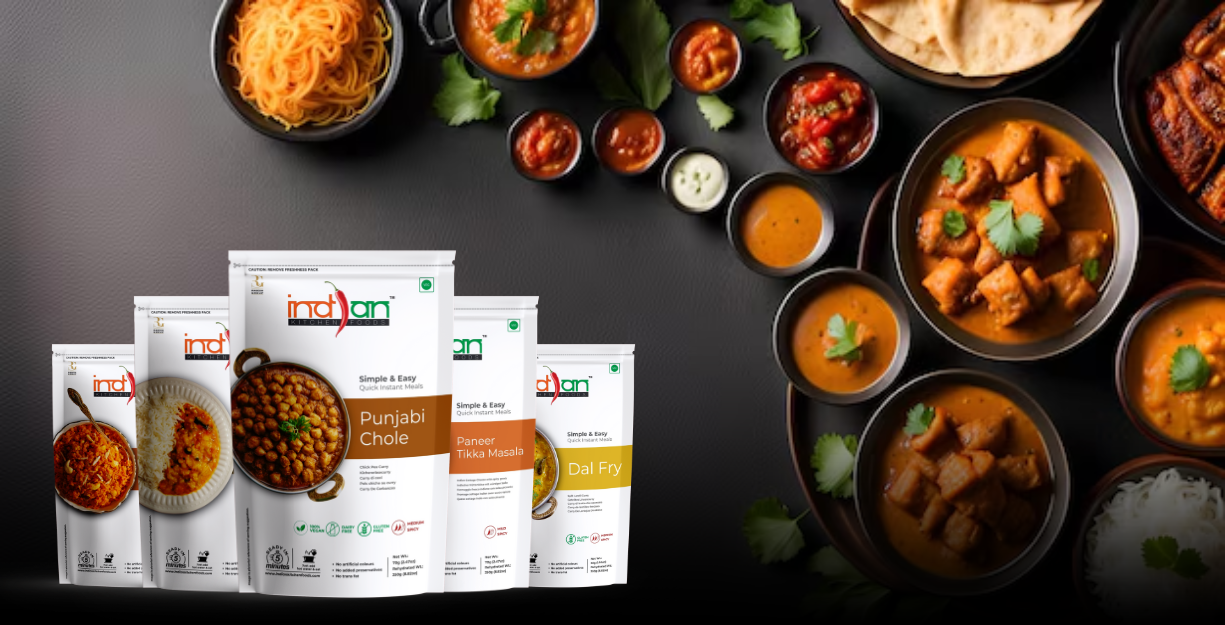
Mastering the Freeze-Drying Process: Steps to Create Ready-to-Eat Food Products
A Comprehensive Guide to Preserving Flavor, Nutrients, and Shelf Life Through Advanced Freeze-Drying Techniques
Selection of Ingredients
Quality Check: Ensure all raw materials meet quality standards, are fresh, and are free from contamination.
Preparation: Wash, peel, slice, dice, or chop the food into the desired size for even drying. For complex dishes, prepare and cook the recipe before freeze-drying.
Pre-treatment
Blanching (for fruits/vegetables): Optional step to deactivate enzymes that could cause spoilage or discoloration.
Cooking (if required): For ready-to-eat meals, the food is cooked and seasoned at this stage.
Additives (optional): Add preservatives, color stabilizers, or flavor enhancers as needed to improve shelf life or product quality.
Freezing
Rapid Freezing: Freeze the prepared food at temperatures between -40°C to -50°C (-40°F to -58°F). This helps preserve the food's cellular structure and locks in nutrients.
Storage During Freezing: Keep the food evenly spaced to ensure uniform freezing
Primary Drying
Vacuum Chamber: Transfer the frozen food into a vacuum freeze-dryer chamber.
Heat Application: Apply controlled heat to raise the temperature slightly, causing the ice within the food to sublimate (convert directly from ice to vapor) under low pressure.
Monitoring: This phase removes about 95% of the moisture content and is closely monitored for temperature and pressure to prevent structural damage to the food.
Packaging
Cooling: Allow the product to cool to ambient temperature.
Seal in Moisture-Proof Packaging: Package the food in airtight containers, vacuum-sealed bags, or laminated pouches with oxygen absorbers to prevent reabsorption of moisture.
Nitrogen Flushing (optional): Replace oxygen with nitrogen to extend shelf life and maintain product quality.
Quality Assurance
Batch Testing: Conduct moisture content analysis, microbial testing, and sensory evaluation to ensure quality.
Compliance Check: Verify that the product meets food safety and regulatory standards.
Certified Excellence in Every Bite
Authentic Indian Kitchen Standards


